


 0812 46 37 27




Edible chrysanthemum, also known as garland chrysanthemum or tần ô, is a delicious and nutritious vegetable beloved in daily meals. Growing edible chrysanthemum is quite simple and suitable for small spaces like styrofoam boxes or pots at home. If you want to know the detailed techniques for sowing, planting, and caring for the plants to grow quickly and healthily, don’t miss this article from Kamereo!
Edible Chrysanthemum Knowledge Before Planting
Growth Conditions
Edible chrysanthemum is an easy-to-grow vegetable that adapts well to various climatic conditions. However, to achieve high yields and good quality, you need to ensure some important growth factors:
- Temperature: Edible chrysanthemum is best suited for temperatures ranging from 15°C to 25°C. This vegetable grows vigorously in cool environments and cannot tolerate excessively hot or cold temperatures.
- Humidity: This vegetable requires high humidity to grow well, so you need to keep the soil moist without waterlogging. This is especially important during the plant’s growth stage, when it needs sufficient moisture for its roots to anchor and for the plant to be healthy.
- Soil: The ideal soil for edible chrysanthemum is well-drained and loose, such as light loam, alluvial soil, or sandy loam. If planting in styrofoam boxes or pots, you can mix in organic fertilizer to enrich the soil, creating favorable conditions for the plant’s growth.
Planting Season
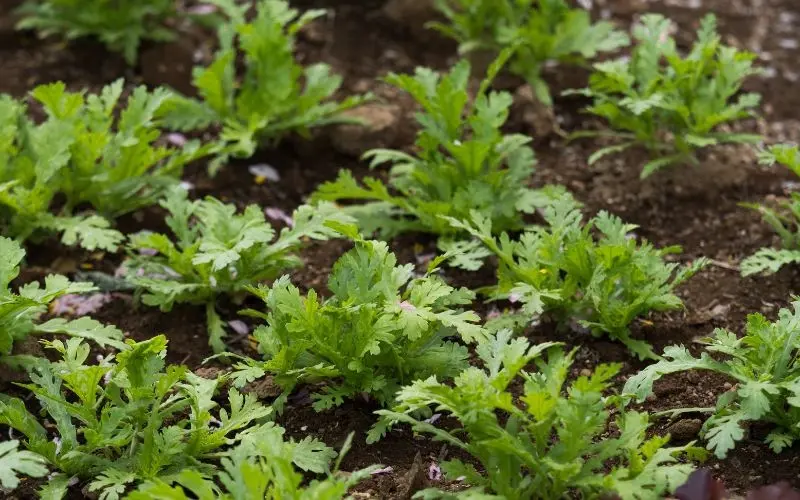
Edible chrysanthemum can be planted year-round, but choosing the right season is crucial for the plants to grow vigorously and yield high. The ideal sowing seasons depend on the climatic conditions of each region:
- Northern Vietnam: In Northern Vietnam, edible chrysanthemum is suitable for planting in spring and autumn. The ideal sowing time is from February to April in spring, and from August to October in autumn. These seasons have a cool climate, creating favorable conditions for the vegetables to grow well.
- Southern Vietnam: Southern Vietnam has a warm climate, so the ideal time to plant edible chrysanthemum is from November to February, when the dry season arrives and humidity is moderate.
Harvest Time
Edible chrysanthemum has a relatively fast growth cycle. You can harvest it just 30 to 40 days after sowing. If you prefer to harvest young vegetables, you can cut the plants earlier, about 25 to 30 days after planting.
Space for Growing Edible Chrysanthemum at Home
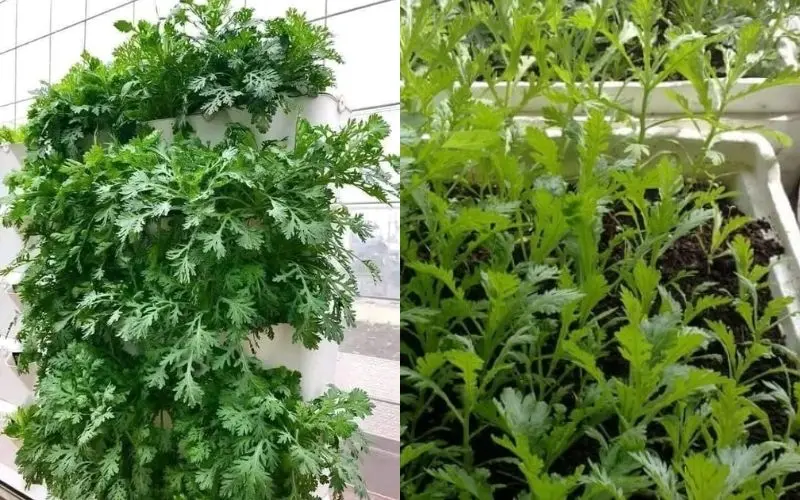
Edible chrysanthemum can be grown in many different places, even in confined spaces like pots or styrofoam boxes. Growing edible chrysanthemum in styrofoam boxes or pots not only saves space but also makes it easy for you to manage and care for the plants. With this method, you can create a green vegetable garden right at home, providing a source of clean and fresh food for your family.
- Growing in pots: Choose a pot with a diameter of 30 to 40 cm and a depth of at least 20 cm. This gives the plant enough space to grow well, ensuring the root system can expand. Additionally, the pot must have drainage holes at the bottom to prevent water from stagnating, which can lead to waterlogged soil and root rot.
- Growing in styrofoam boxes: Choose a styrofoam box with a depth of 20-30 cm. This helps the root system develop robustly and stably. The box must have drainage holes at the bottom to prevent waterlogging, which helps the soil stay airy and prevents root rot. At the same time, you should choose a styrofoam box of a moderate size, ensuring a distance of about 5-10 cm between plants when sowing to give them enough space to grow.
Edible chrysanthemum is an easy-to-grow and fast-growing vegetable that can be planted in two common ways: from seeds and from the stump. Below are the details of these two methods.
Steps to Grow Edible Chrysanthemum from Seeds
Growing edible chrysanthemum from seeds is a popular method that yields high results. For a bountiful harvest, you need to pay attention to each step of preparation and sowing below:
Soil Preparation
The soil is a prerequisite factor affecting the plant’s growth. For edible chrysanthemum to grow best, you should prepare the soil by following these steps:
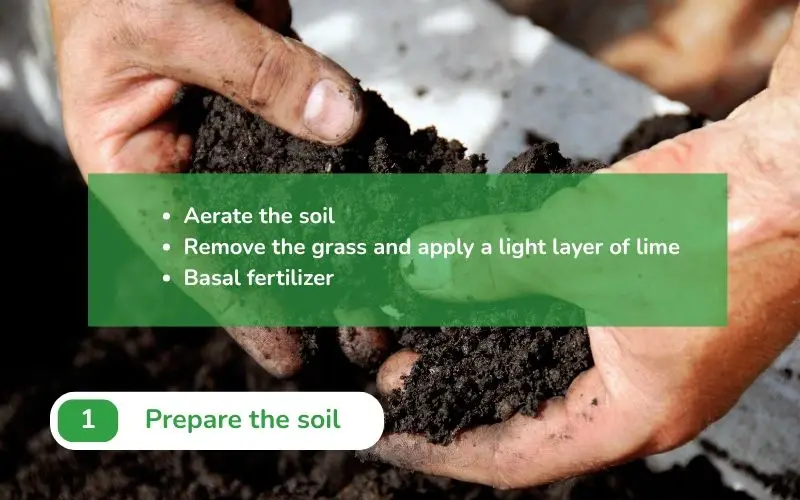
- Loosen the soil: Sandy loam, humus soil, or alluvial soil are all very suitable for edible chrysanthemum to grow. If planting at home, you can mix in organic soil, coconut coir, and rice husks to increase the looseness and nutrients of the soil.
- Treat the soil: Before planting, you need to clear weeds and sprinkle a thin layer of lime on the surface to eliminate disease-causing agents and harmful pests. This will help the seeds germinate successfully and grow healthily.
- Base fertilizing: About 10 days before sowing, you should apply a base fertilizer of well-decomposed animal manure or organic fertilizer to provide sufficient nutrients, helping the seedlings grow quickly.
Sowing the Seeds
Quality seeds will determine 90% of the harvest’s success. Therefore, you need to treat the seeds carefully and correctly before sowing to achieve the highest germination rate:
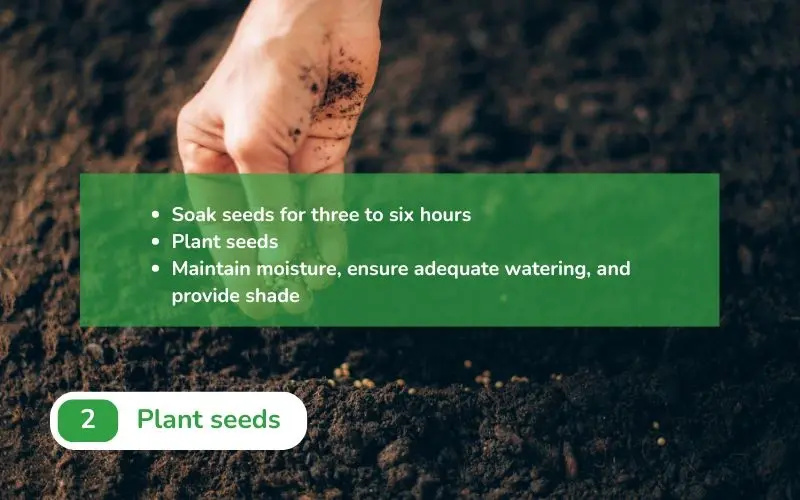
- Soak the seeds: Soak the chrysanthemum seeds in warm water for about 3-6 hours (in a ratio of 2 parts boiling water to 3 parts cold water) to help them germinate faster. Then, take the seeds out, rinse them with clean water, and let them dry.
- Sow the seeds: You can make straight rows on the soil surface and sow the seeds, ensuring a distance of 5 to 10 cm between them. Afterward, cover them with a thin layer of soil (about 0.5 – 1 cm) to help retain moisture better.
- Keep moist and shade: After sowing, cover with a thin layer of straw and mist with water to keep the soil moist. About 1 week later, when the seeds have germinated, gently remove the straw layer so the seedlings can get sunlight.
Early-Stage Care
The early stage of growing edible chrysanthemum is very important, requiring meticulous care for the plants to grow healthily and yield high. Correctly performing the techniques from watering to fertilizing will help the plants take root well, grow evenly, and effectively limit pests and diseases:
- After sowing, you should water regularly twice a day, preferably in the morning and cool evening, avoiding watering in intense sunlight to prevent the plants from getting heat shock.
- When the plants begin to grow, providing suitable nutrients will help them grow faster. At this point, fertilize with nitrogen combined with potassium and reduce the watering frequency to once a day for effective absorption.
- In the second week, when the plants have their first 2 to 3 true leaves, you need to add well-decomposed animal manure or other organic fertilizers like green manure to provide long-term nutrients and improve the soil.
- During the care process, avoid spraying pesticides for at least one week before harvest to ensure consumer safety. If a quick remedy for pests is needed, choose environmentally and human-friendly biological products.
- Thin out the plants when they have grown dense and well after about 2 weeks. This helps to provide space and light for the remaining plants to grow more vigorously. You can also harvest the young sprouts for consumption.
- To limit pests, you should spray a diluted Leven solution 2 to 3 times, with a 4-day interval between each spray. The spraying should be continued until there are no more signs of pests, and then stopped to avoid pesticide residue on the plants.
Caring for Edible Chrysanthemum
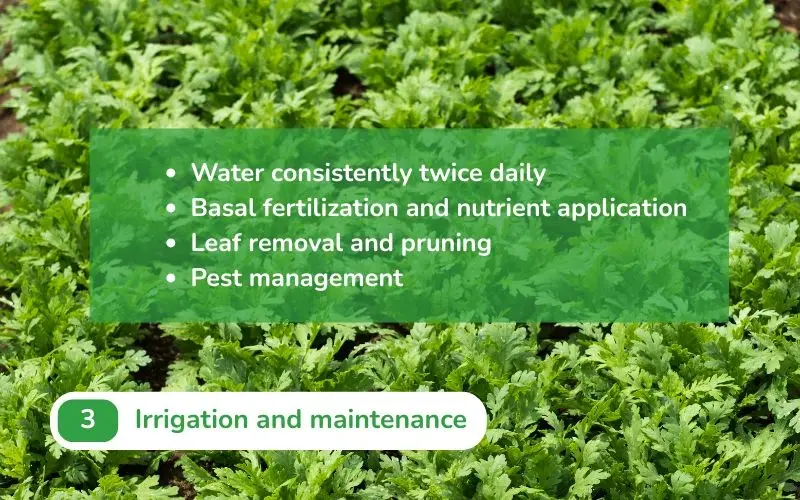
Caring for edible chrysanthemum is not a very complicated process, but for the plants to grow well and yield high, growers need to pay attention to some basic factors:
- Watering: When growing edible chrysanthemum, you need to maintain a regular watering schedule of twice a day, in the morning and cool evening. Note that you can use a spray bottle or a showerhead nozzle to distribute water evenly. Also, check the drainage system to avoid waterlogging, which can cause root rot.
- Fertilizing: About 10 days after sowing, you can start fertilizing the plants. At this time, you should prioritize using organic fertilizer and well-decomposed animal manure to provide nutrients. Afterward, fertilize once every 15 days to ensure the plants grow steadily.
- Pests and diseases: Edible chrysanthemum is less prone to diseases but is very susceptible to leaf-eating pests. Therefore, you should regularly check your garden to detect them early and take timely measures. In particular, you should prioritize using biological products to eliminate pests while ensuring safety.
Harvesting
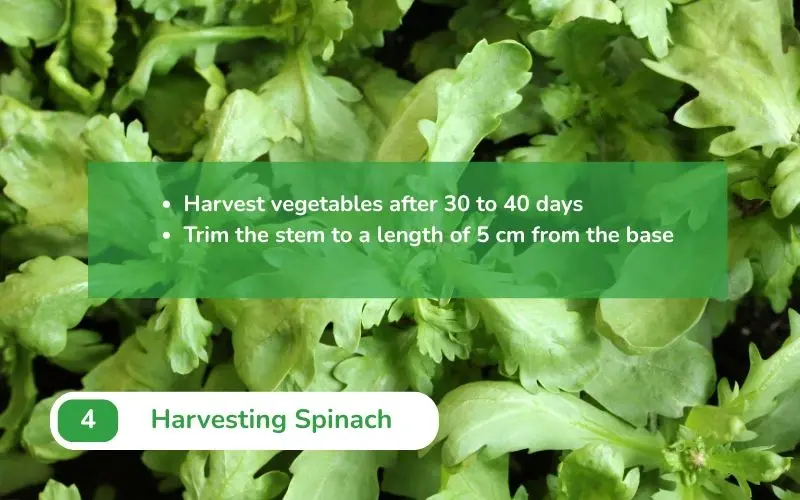
If you follow the correct way of growing edible chrysanthemum, you can harvest it after 30 to 40 days of planting. If you want to enjoy young chrysanthemum, you can harvest 5 to 10 days earlier. When harvesting, you just need to cut the stem about 5 cm from the base so the plant can continue to sprout and produce a new batch of vegetables.
How to Grow Edible Chrysanthemum from the Stump
Using the leftover stump of edible chrysanthemum after harvesting is an economical and effective way to continue growing new vegetables at home. To do this correctly, you need to follow these steps:
Prepare the Stump and Soil
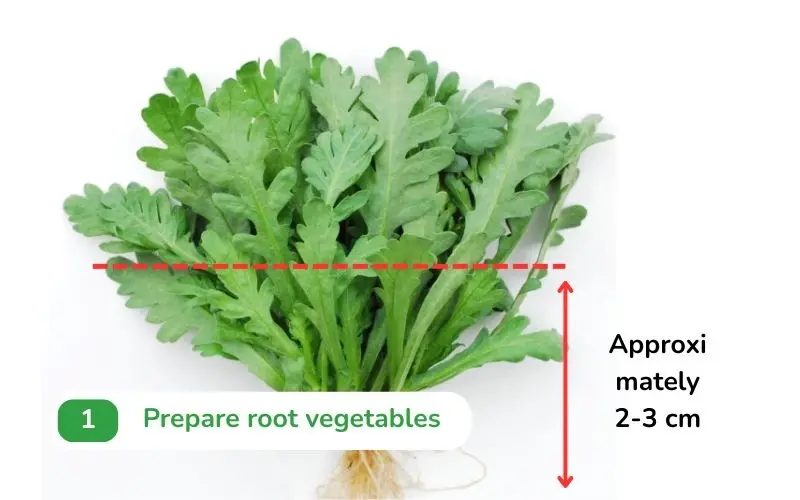
After harvesting, choose mature chrysanthemum plants and keep the fresh stump that is not withered or showing signs of pests. Use a sharp knife to cut the remaining stump, keeping about 2-3 cm from the root to the stem, ensuring there are nodes. You also need to remove old, damaged leaves to help the plant concentrate nutrients for the regeneration process.
To grow edible chrysanthemum, the soil needs to be rich in nutrients, such as sandy loam, humus soil, and must be loosened and treated with lime to kill disease-causing agents. You can add animal manure or organic fertilizer to enhance the soil’s fertility.
Edible chrysanthemum can be grown effectively in styrofoam boxes or pots. However, when preparing a styrofoam box, remember to poke drainage holes at the bottom to prevent waterlogging.
Plant the Stump
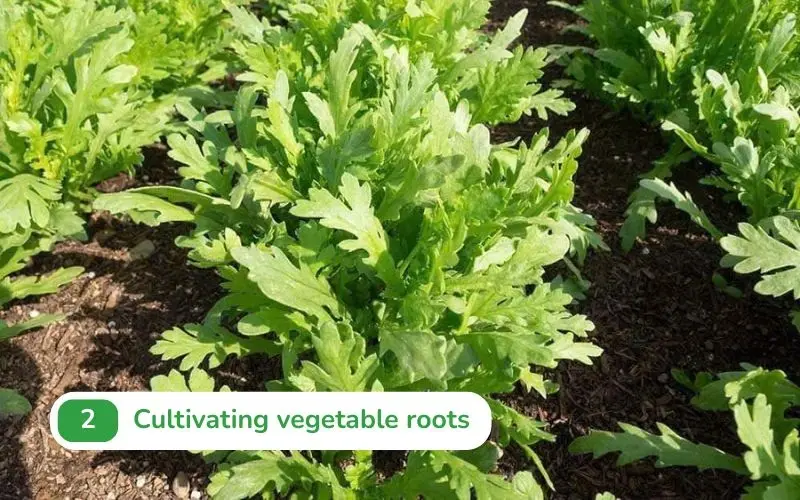
To plant edible chrysanthemum from the stump, you just need to place the stump in the soil, burying it about 2-3 cm deep, and maintain a minimum distance of 5-7 cm between plants. Lightly compress the soil to hold the plant in place. After planting, use a spray bottle to water lightly to maintain the necessary moisture for the plant’s growth.
Care
For the edible chrysanthemum to grow healthily, proper care is very important:
- Light: Place the styrofoam box or pot in a place with sufficient natural light, but avoid direct, strong sunlight in the middle of the day to prevent leaf burn.
- Watering: Water regularly 1-2 times a day depending on the weather conditions and soil moisture, ensuring the soil is always moist but not waterlogged.
- Fertilizing: After about 10-15 days, when the plant begins to produce new leaves, you should add organic or microbial fertilizer to provide nutrients, helping the plant grow quickly and healthily.
- Pest and disease control: Check regularly to detect pests and diseases and deal with them in a timely manner. You can use biological products to protect the plants without harming your health.

Conclusion
So, growing edible chrysanthemum is not too complicated. You just need to master the steps from soil preparation and sowing to proper care techniques, and you will have a lush, safe vegetable garden. Additionally, to absorb and learn more interesting knowledge and attractive tips, don’t forget to explore Kamereo’s Food and Lifestyle section!
See more: